Sudanese Toab
2022-12-31
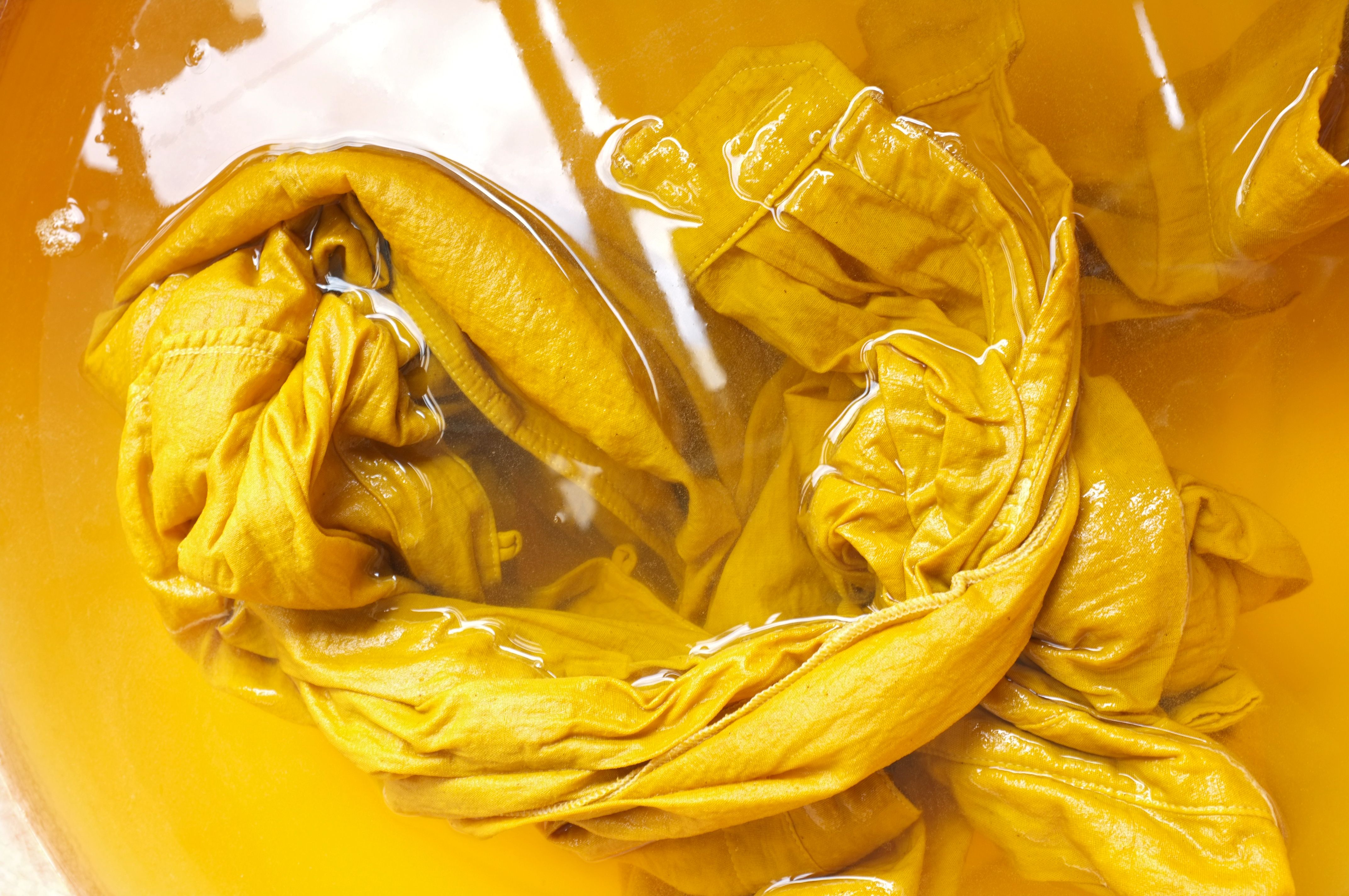
Most natural dyes are derived from plant sources such as barks, berries, flowers, leaves, and seeds.
Archaeological evidence show that the use of dyeing existied more than 5,000 years ago, especially in
India and the Middle East.
In 1856, an English chemist called William Perkin discovered the first industrial dye by pure chance.
This dye, called Mauve, had a pale purple color. Perkin created this dye while attempting to extract an
alkali from a coal tar dye product called aniline.
- Indigo: can be extracted from the Asian Indigofera plant, or from the Isatis plant. It is usually used to
dye wool and cotton, and is the main dye for jeans.
It is the oldest and most important blue dye that was used in Egypt and India in the third millennium BC.
The method used to apply it is the vat dye.
- Lawson or Lawsone: derived from henna and suitable for dyeing wool, silk and hair.
The dry leaves contain approximately 1% henna which has a red-orange hue.
- Sulfur dyes are considered to be inexpensive. They are used in dying cotton with dark colors, by heat
and immersion in an organic medium. They are lightfast pigments, meaning that they do not fade due to
sun or light exposure or washing.

2022-12-31
2022-11-17

2022-10-19